|
NASDAQ 25,065.88 ▼ -0.74%
SPX 7,520.93 ▼ -0.38%
DJI 52,231.89 ▼ -0.30%
BTC $73,941.03 ▼ -1.70%
GOLD $4,039.30 ▼ -1.83%
SLVR $51.51 ▼ -2.01%
OIL $86.44 ▼ -0.47%
10Y 4.98% ▲ +2.38%
|
|
|
|
|

|

|
Wednesday, November 11, 2026
|
|
|
Good Morning! Wall Street is open for business today, but the bond market is not. Bond traders, the Federal Reserve, and most banks are off for Veterans Day, so a deposit or transfer started today may not land until tomorrow.
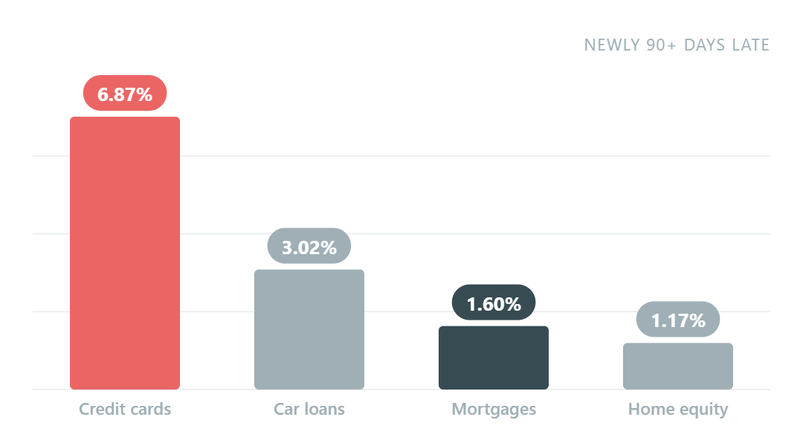
Here’s a strange pair of numbers. Americans are more worried that unemployment will rise than at any time since the early days of the pandemic, according to a New York Fed survey. Yet they keep piling more onto their credit cards, and lenders keep giving them room to do it. Our Chart of the Day shows how those card balances are holding up.
To every veteran reading this morning, thank you. Did you or someone in your family serve, and did it shape how you handle money? Hit reply and tell us.
Today’s sponsor, Stansberry Research, shares a warning from Ron Paul about what he believes is putting Americans’ retirement savings at risk. His concern goes beyond election results and government handouts. Watch his free video to hear the economic threat he’s watching and the step he recommends taking today.
|
|
|

|
|
Hot Inflation Puts a Bigger Fed Rate Hike on the Table
|
|
Let’s start with stocks. The S&P 500 lost 0.4% yesterday after a report showed inflation was worse last month than economists expected. The Dow dropped 0.3% and the Nasdaq fell 0.7%, giving back some of Monday’s big rally. The 10-year Treasury yield, which helps set rates on mortgages and other loans, jumped to nearly 5% from 4.88% late Monday. Homebuilders were among the hardest hit, since higher mortgage rates can keep buyers away.
Consumer prices rose 0.4% in October, and core prices, which leave out food and energy, rose 0.3%. That core number met the threshold Fed Governor Christopher Waller had set hours earlier for considering a half-point rate hike in December, twice the Fed’s usual move. Traders now fully expect at least a quarter-point hike at the Fed’s Dec. 8-9 meeting. The government didn’t publish a year-over-year rate, since last year’s shutdown left it without October 2025 prices to compare against.
Brent crude briefly fell below $90 a barrel yesterday for the first time since August, after President Trump said the war with Iran could end fairly soon. Analysts say oil shipments through the Strait of Hormuz have largely recovered and that reports Iran may soften its stance on the strait have eased fears of a shortage.
 What to watch today: Seed and crop-chemical maker Corteva reports earnings after the close. Tomorrow after the bell, networking giant Cisco and chip-equipment maker Applied Materials report.
|
|
|
Flying together with our sponsor

|
|
Ron Paul: “Sorry Socialists, more handouts won’t fix this”
You’ve spent years saving for retirement. When everyday expenses eat up more of your budget, protecting that nest egg becomes even more important.
Ron Paul says more government handouts won’t solve the underlying problem. In a free video shared by Stansberry Research, the former congressman explains why he believes an overlooked economic force in Washington poses a bigger threat than socialism, and what it could mean for your retirement savings.
He also reveals the number one step he recommends Americans take to help protect themselves. Before you decide what comes next for your money, hear his perspective and consider the action he suggests.
Watch Ron Paul’s free video here.
|
|
|

|
|
➤ Buy: Oppenheimer upgraded Advanced Micro Devices (AMD) from Hold to Buy. Demand for AMD’s data center chips is strong enough that Oppenheimer expects those sales to more than double next year and make up about 85% of the company’s total. (More)
➤ Buy: Redburn upgraded American Airlines (AAL) from Hold to Buy. American has rebuilt its route network and invested in key hubs, and Redburn expects rising fares to widen its profit margins in the years ahead. (More)
➤ Hold: Aletheia Capital downgraded Nvidia (NVDA) from Buy to Hold. Nvidia’s promises to help smaller companies pay for AI data centers have grown more than tenfold to $165 billion, but Aletheia worries about what happens if those builders run short of money. (More)
➤ Hold: KeyBanc downgraded home-listing site Zillow (ZG) from Buy to Hold. KeyBanc still likes Zillow’s push into rentals but sees little to lift the business over the next several quarters in a weak housing market. (More)
➤ Sell: JPMorgan downgraded Coors and Miller maker Molson Coors (TAP) from Hold to Sell and cut its price target from $41 to $37. Americans keep buying less beer, and JPMorgan says rising costs are outpacing the savings the company can find. (More)
|
|

|
|
|
|
Credit card balances go seriously late at a 6.87% yearly rate.
➤ Credit card balances go seriously late at more than twice the rate of car loans, according to the New York Fed’s latest household debt report. The rate for cards dipped from 7.05% a year earlier, while mortgages moved the other way and rose from 1.28% to 1.60%.
Card balances rose $22 billion last quarter to $1.29 trillion, and lenders raised total credit limits by $115 billion. For the banks and card companies behind those cards, the quarter brought more lending and a slightly smaller share of it going bad. Across all household debt, though, 5.0% was behind on payments at the end of September, up 0.3 percentage point from June.
|
|
Source: Federal Reserve Bank of New York.
|
|
|

|
|
Real Estate
|
Homeowners have near-record equity… but not everywhere.
|
|
Mortgage holders had $17.5 trillion in home equity in the third quarter, according to a new report from Intercontinental Exchange, the company that owns the New York Stock Exchange. About 2.4 million of them now have at least $1 million in equity, up 6% from a year ago.
On average, owners could borrow about $204,000 against their homes and still keep a 20% stake. With mortgage rates above 7%, few owners are refinancing to get a lower rate. Instead, about one in seven mortgages lined up in recent weeks were cash-out refinances, in which owners trade a cheap old loan for a bigger, pricier one to get cash.
Much of that wealth is in California, home to 49% of equity millionaires. New York, New Jersey, and Florida follow.
Prices are slipping in parts of Texas and Florida, though. Home prices rose just 1% nationally over the past year, but they fell 2.4% in Austin and 2.2% in San Antonio. Dallas has more underwater homeowners than any other big market, with about 63,000 owing more than their homes are worth. In Cape Coral, Florida, 11.2% of mortgages are underwater, the highest share in the country.
The number of borrowers who are both underwater and at least three payments behind has climbed to 362,000, up from 208,000 a year ago and the most since 2018.
|
|
|

|
|
➤ Anthropic set a $70 to $78 price range for its IPO, and seven tech companies including Nvidia and Google agreed to buy $26 billion of its stock. (More)
➤ Eli Lilly said its weight-loss pill cut breathing interruptions in overweight or obese adults with sleep apnea by up to 44% in late-stage trials. (More)
➤ Constellation Energy raised its full-year profit forecast for the second time this year after strong power sales and reliable output from its nuclear plants. (More)
➤ Condo sellers now outnumber buyers by more than 2 to 1, the widest gap in Redfin’s records going back to 2013. (More)
➤ SoftBank lost about $7 billion last quarter, including a $3.7 billion hit on power equipment it had ordered for U.S. AI data centers. (More)
|
|

|
|
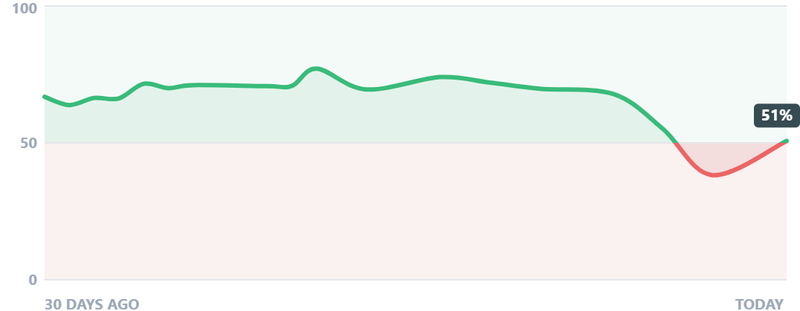
▲ BULLISH · 51%
Composite score based on our previous edition’s votes.
|
|

|
|
|

In the debt snowball method, which debt do you pay off first?

|
|
|